Pilots
TRACER will test and validate the TRACER MRV System across ten pilot regions representing a wide range of European farming systems, climatic conditions and agricultural practices.
Together, these pilots provide real-world environments to monitor greenhouse gas (GHG) emissions, assess mitigation measures, and demonstrate the performance of the TRACER MRV System under diverse conditions.
The knowledge generated across the pilots will support the development of reliable, scalable and policy-ready MRV solutions for agriculture across Europe.
Test & Calibrate the TRACER MRV System across 10 pilot regions, representing diverse farming systems and 5 pedo-climatic zones.
Demonstrate the system under real-world conditions in 5 Living Labs.
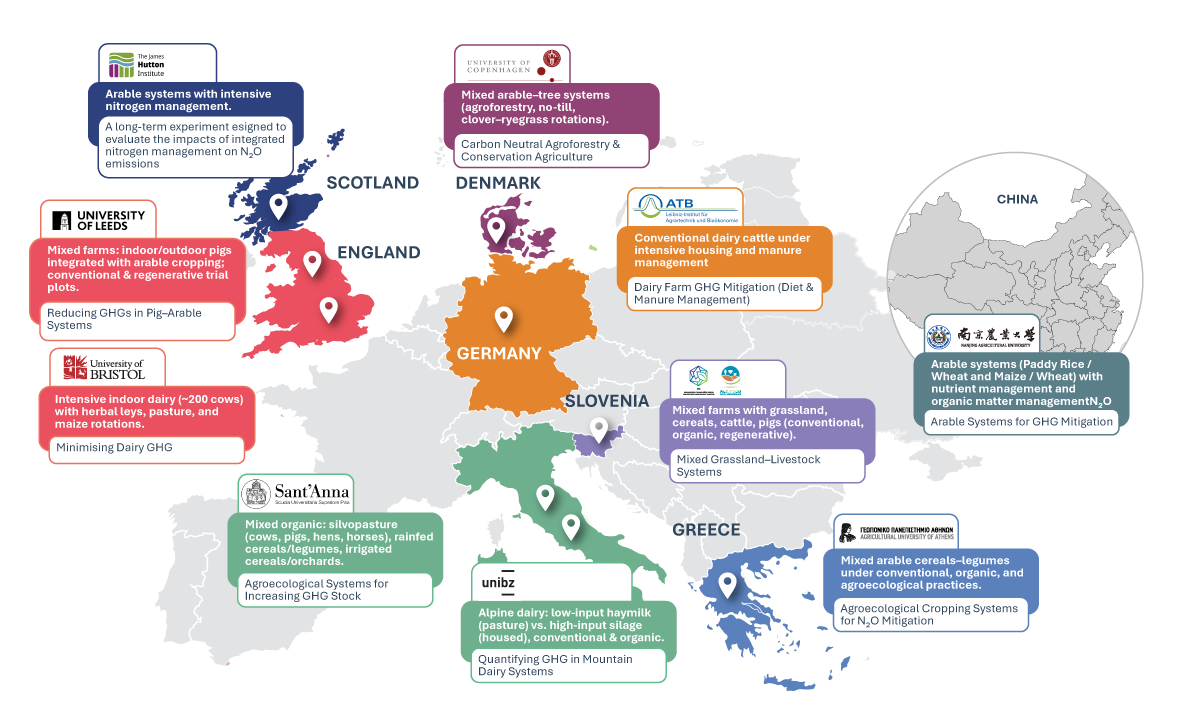
The TRACER MRV System is tested and calibrated across ten experimental pilot regions before being demonstrated in five existing Living Labs. Together, the pilots and Living Labs provide the scientific evidence and real-world validation needed to evaluate the system's usability, performance and scalability across diverse European farming systems.
Scotland

Arable Systems with Intensive Nitrogen Management
Focuses on intensive arable farming systems where nitrogen fertiliser management plays a key role in GHGs. TRACER will monitor and validate N₂O emissions using advanced field measurements and modelling to improve the accuracy of the MRV System. Different nitrogen management strategies will be evaluated to identify practical mitigation options. The results will support more reliable emission estimates and sustainable nutrient management for EU arable farming.
Denmark

Carbon Neutral Agroforestry & Conservation Agriculture
Evaluates agroforestry and conservation agriculture practices, including no-till and clover–ryegrass rotations. TRACER will assess how these management practices influence GHGs while validating the MRV System under low-input farming conditions. The results will support climate-smart cropping systems that improve soil health while reducing agricultural emissions.
England
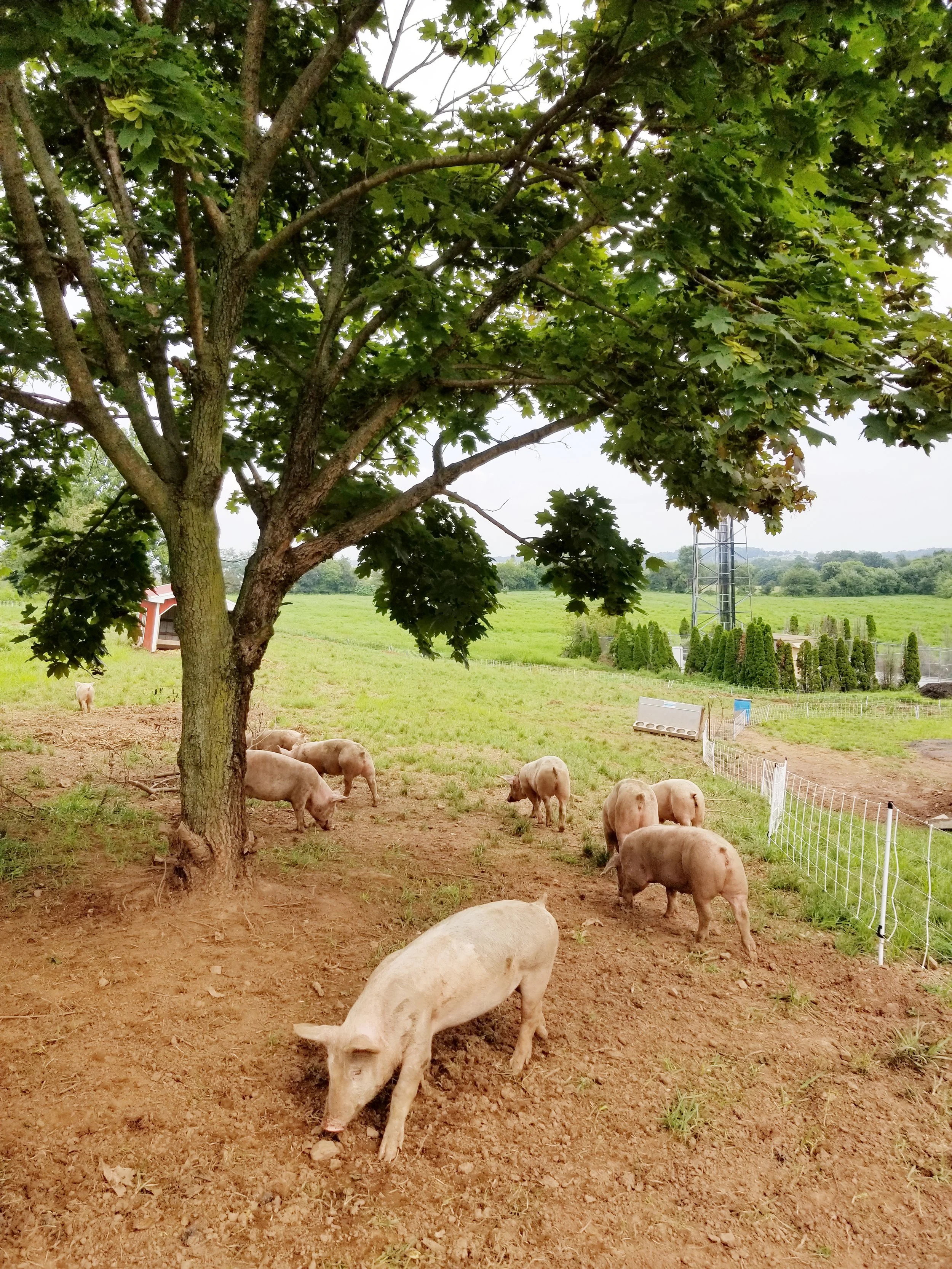
Reducing GHGs in Pig-Arable Systems
Focuses on mixed pig-arable farming systems combining conventional and regenerative management practices. TRACER will monitor methane, nitrous oxide and ammonia emissions while assessing innovative manure management approaches and regenerative cropping practices. The pilot will generate robust datasets to improve MRV protocols and identify practical mitigation strategies for integrated farming systems.
England
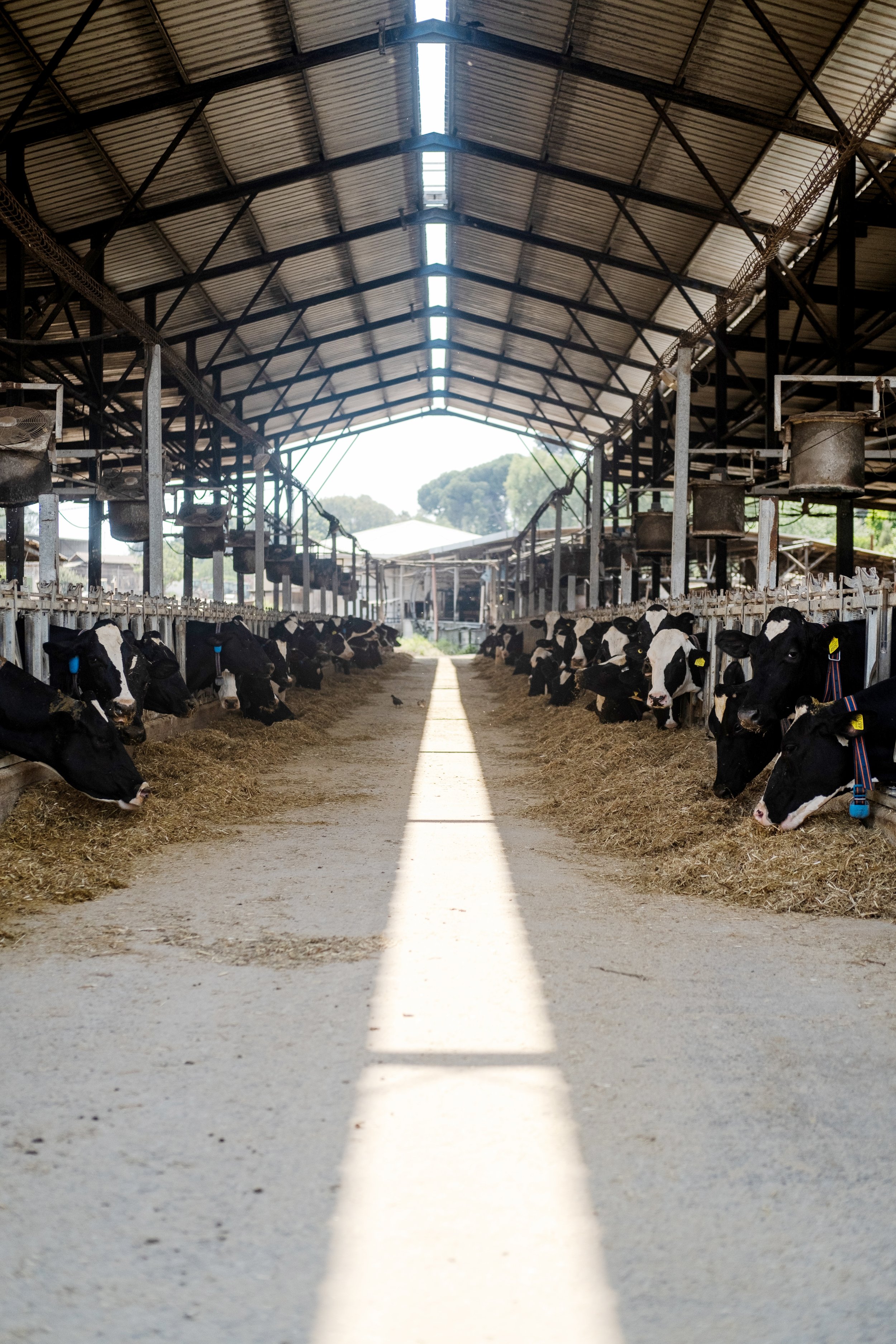
Minimising Dairy GHG
Investigates GHG emissions from intensive indoor dairy production systems. TRACER will evaluate innovative feeding strategies, herbal leys and pasture management practices to reduce methane and nitrous oxide emissions. The pilot will generate practical mitigation solutions that can be transferred to dairy farms across Europe.
Italy

Agroecological Systems for Increasing GHG Stock
Investigates GHG emissions from intensive dairy production systems. TRACER will evaluate dietary interventions and manure management strategies while validating the MRV System using high-quality field measurements. The results will improve emission factors and support effective mitigation practices for dairy farming across Europe.
Italy
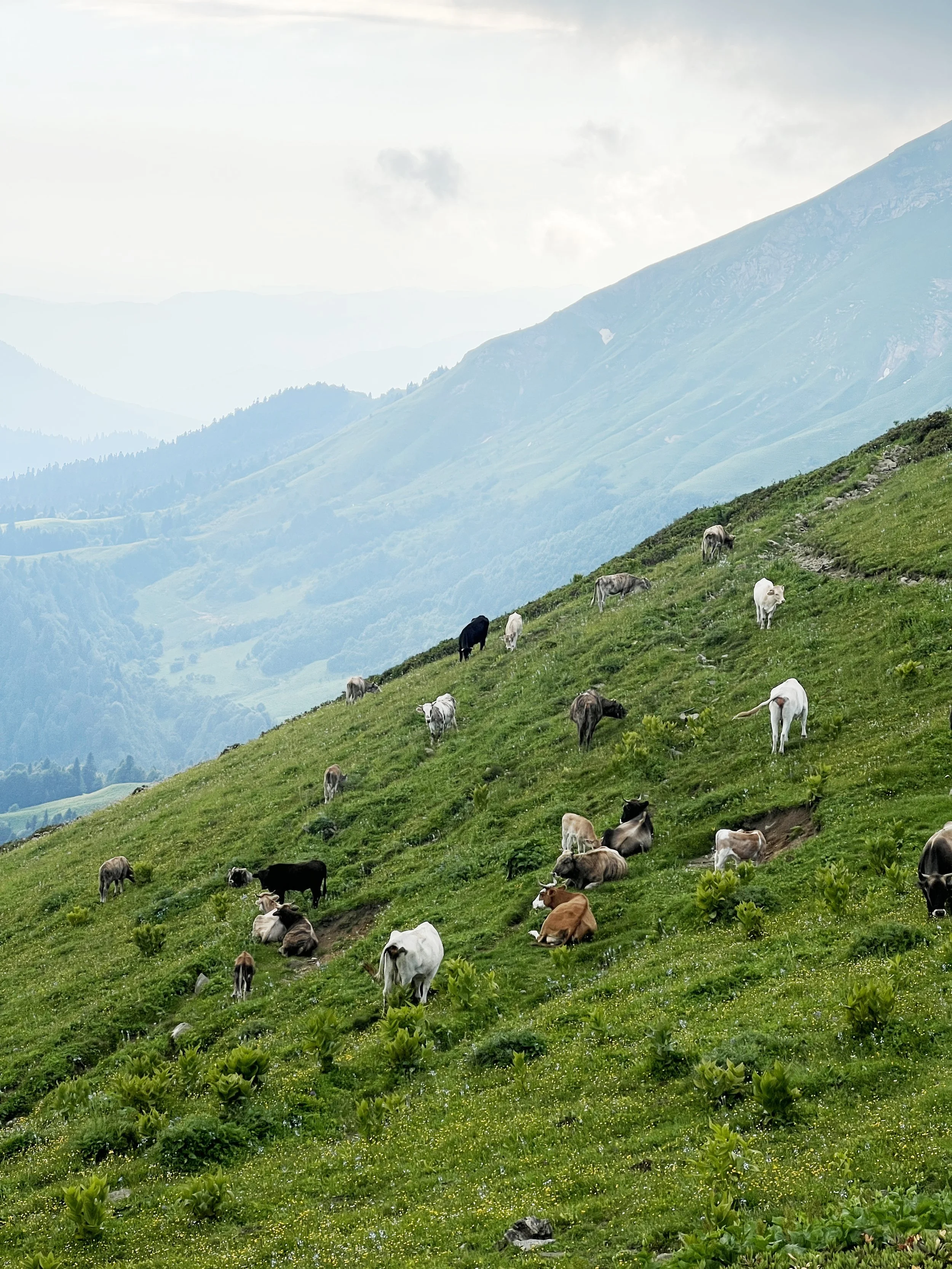
Quantifying GHG in Mountain Dairy Systems
Investigates GHG emissions from alpine dairy production under contrasting low- and high-input management systems. TRACER will compare different feeding and management strategies while validating the MRV System under mountain farming conditions. The results will improve emission estimates and provide transferable mitigation strategies for dairy systems in mountainous regions.
Germany
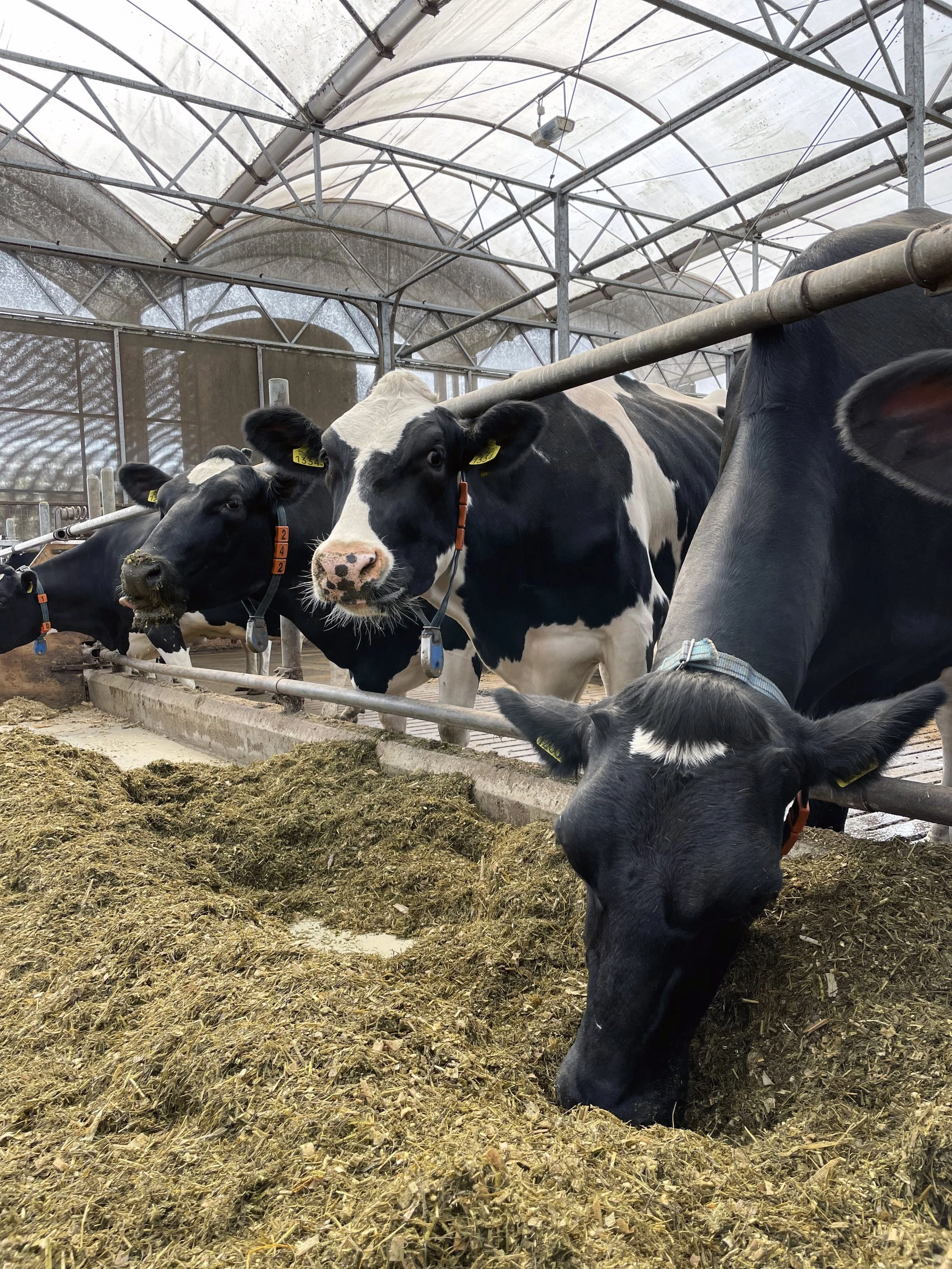
Diet & Manure Management for Dairy Systems
Investigates GHGs from intensive dairy production systems. TRACER will evaluate dietary interventions and manure management strategies while validating the MRV System using high-quality field measurements. The results will improve emission factors and support effective mitigation practices for dairy farming across Europe.
Slovenia
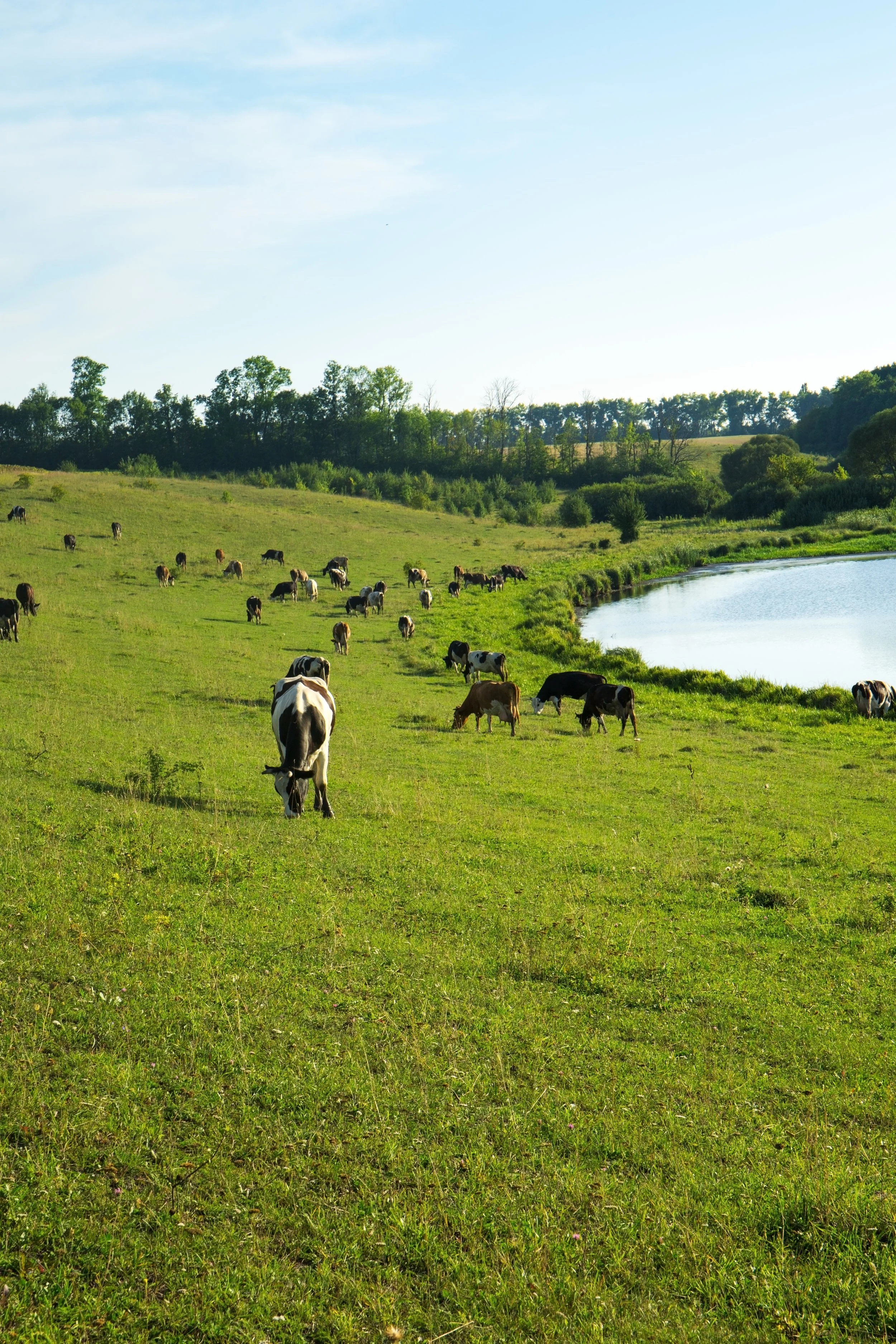
Mixed Grassland–Livestock Systems
Focuses on mixed livestock farming systems combining grasslands, cereals, cattle and pigs. TRACER will monitor methane, ammonia and particulate emissions while validating integrated MRV approaches under diverse production systems. The results will improve understanding of livestock emissions and support more sustainable mixed farming across Europe.
Greece
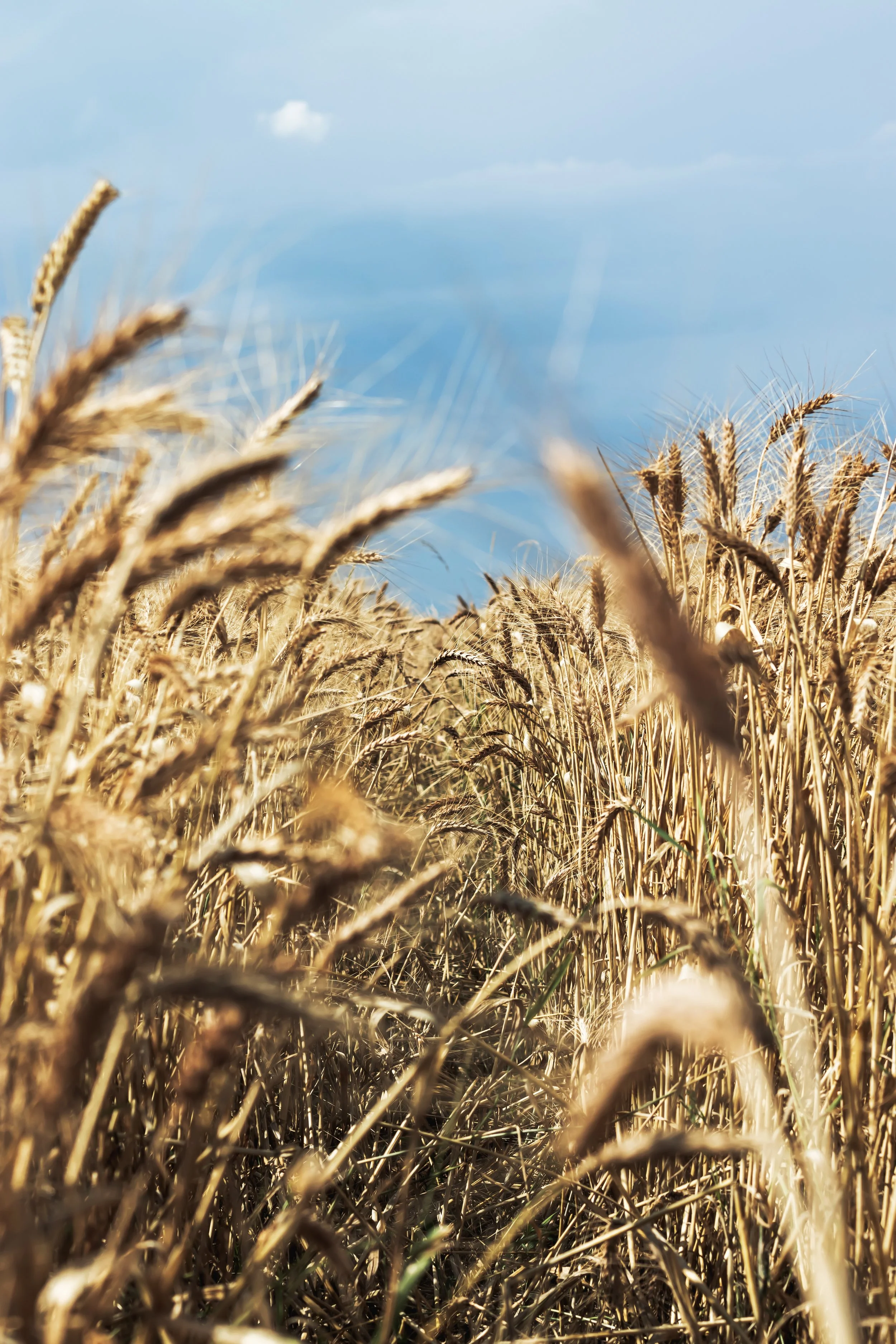
Agroecological Cropping Systems for N₂O Mitigation
Focuses on mixed arable cropping systems managed under conventional, organic and agroecological practices. TRACER will evaluate how crop rotations, intercropping, cover crops and reduced tillage influence nitrous oxide emissions while validating the MRV System. The results will support practical strategies for improving soil health and reducing emissions from Mediterranean agriculture.
China

Arable Systems for GHG Mitigation
Provides complementary datasets from Chinese arable farming systems, including paddy rice, wheat and maize production under different nutrient and organic matter management practices. These datasets will strengthen the scientific robustness of the TRACER MRV System by supporting model validation across contrasting agricultural conditions. The collaboration will enhance cross-context learning and demonstrate the international transferability of TRACER's MRV approach.
From Scientific Validation to Real-World Demonstration
Following validation across the ten pilot regions, the TRACER MRV System will be demonstrated in five existing Living Labs connected to the project consortium. These Living Labs provide real-world environments where farmers, advisors and other stakeholders will evaluate the system's usability, performance and scalability.